Trauma, Resilience and Care for the Caregivers
Workshops Now Available
Voyage Into Your Future with These Trainings
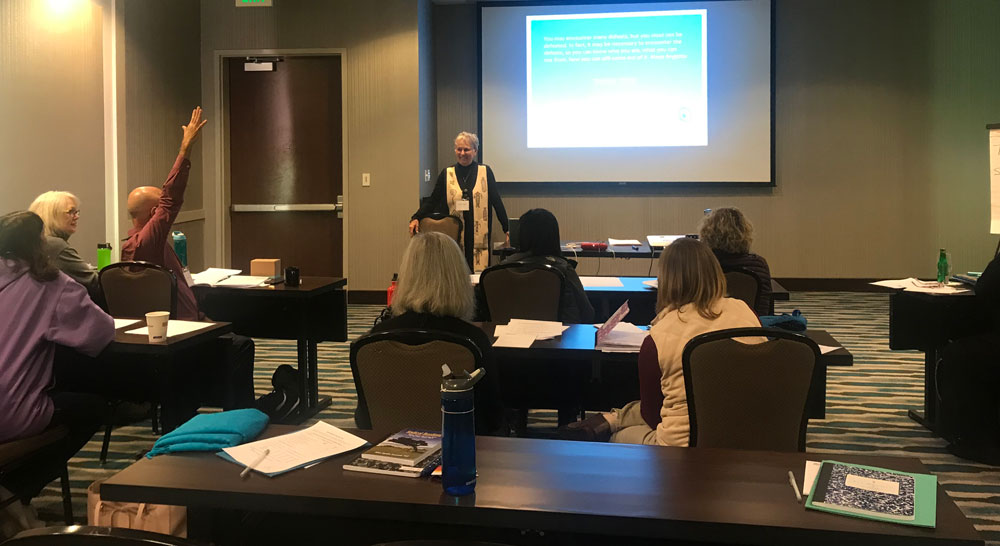
All workshops below are now available individually or in any combination. Each workshop includes up to eight hours of in-person/virtual interactive content and skill development. Workshop may be tailored to individual groups based on consultation and thoughtful planning.
Click on a tab below to learn more about the workshop and request a consultation.
These workshops are valuable contributions to learning, recovery and moving forward for individuals, organizations and communities experiencing traumatic events. This deeper understanding of trauma is proving even more crucial during the COVID19 pandemic.
Recovering and growing from these types of events, while still working diligently to function well in our multitude of roles can challenge the most dedicated people and helpers.
These challenges can be particularly delicate for people wearing many different hats or having extensive responsibilities in organizations and communities. Given the nature of these roles, individuals including (but not limited to) police, fire, mental health, education, public service, clergy, and health could benefit from these workshops.
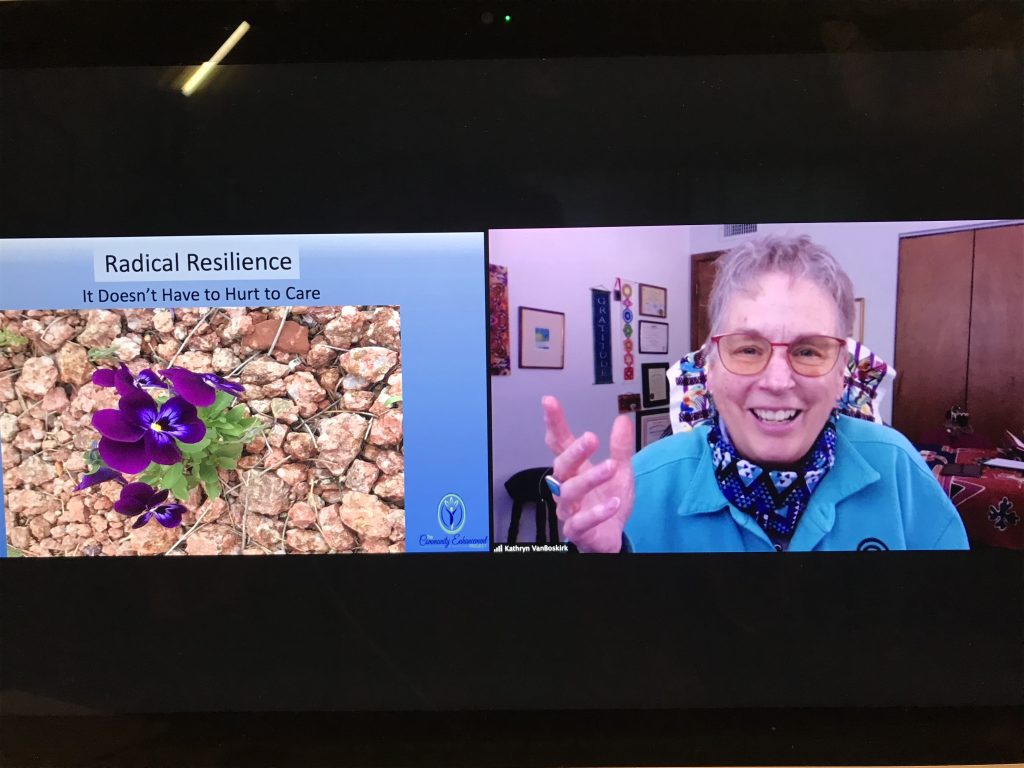
Life and work experiences require that we learn about vicarious trauma, burnout, impact of community trauma and radical resilience skills for ourselves.
We all fill leadership roles in our daily lives. In order to function well in these caregiver/responder roles, it is necessary to understand the impact that challenges and multiple traumatic events have on us personally and therefore impact our professional responses, capability and responsibilities. Following that understanding, it is important to move forward with increased understanding and practice the skills of resilience.
All trainings are built on evidence-based research and evidence-based learning processes.
To get started, click the “Request More Information” button below.
Always Wear Comfortable Shoes 2.0
Understanding the impact of trauma can assist us in navigating traumatic events with less confusion and uncertainty.
The goal of this training is to understand that without exception, caring for others in any capacity within the context of traumatic events and other challenges, impacts all caregivers. These implications can impede our ability to function most capably in our roles at work, in our families and in our communities.
A deeper understanding of traumatic events and its impact allow us to learn and plan in ways that can minimize long-term negative impact, improve short-term experience and increase overall functioning.
By completing this training participants will be able to:
To get started, click the “Request More Information” button below.
See what people say:
“In these times when we are busier than ever, these skills will help me be my best self at work and in the community.”
“I realized aspects about myself, perspective, and behaviors that I didn’t before. Because of this awareness I can modify accordingly.”
“It’s easy to feel very burdened right now. This course helped give me skills to combat down times and recognize how to help myself and others.”
“Knowing that others go through what I do also is valuable and being able to talk to about it is a skill I will use”
These workshops are an essential contribution to deepening the understanding of how our roles as family members, caregivers, and leaders are impacted by adversities we face daily.
The strength of our resilience is key in handling challenges with traumatic events, burnout, compassion fatigue and vicarious trauma.
There are inevitable difficulties in navigating and sustaining stability and personal well-being in these circumstances. This can challenge the most dedicated of caregivers who are often working to function well in multiple roles at work and at home.
Life and work experiences in all of our varied roles require that we understand how we are impacted and how to apply radical resilience skills to remain hardy. It is critical to use these skills to not only steer through the hard times, but grow and transform from each of the challenges we face.
Building Resilience After Adversity trainings are built on evidence-based research and evidence-based learning processes.
Participants will:
To get started, click the “Request More Information” button below.
See what people say:
“In the breakout rooms, I heard good reminders of skills I know but need to remember to practice.”
“Maintaining my own resilience, bettering myself, showing up as a resource for others.”
“Learning actual resilience tools and systems.”
“Loved the 10 Radical Resilience Skills.”

Leading through traumatic events creates unexpected, unique and often unspoken challenges for leaders. Learning to lead in trauma with “boots on the ground” is not for the feint of heart.
Yet given the nature of crises and traumatic events, we can find ourselves working to figure it out as we go. Lessons learned from responding to the Columbine High School murder/suicide can help us as leaders prepare ahead of time, identify challenges as we go and develop skills to help us and those we lead navigate more effectively.
The goal of this training is to give opportunity and voice to those in leadership roles in exploring how “leading is different” and yet similar in times of crisis and traumatic events.
By completing this training participants will be able to:
See what people say:
“In terms of my own understanding of burnout I have identified my own pitfalls. I also gathered greater understanding for those in direct helping professions.”
“How to support and share skills with my team while also living into them myself.”
“Assisting the staff team in becoming more resilient in the face of COVID now, and any future challenges we should face”
“I have more tools for myself and I can also use them with co-workers.”